
You have no items in your shopping cart.
Identify the material first, because the right cleaning method for one is the wrong one for another. Silicone tolerates hot water and detergent. UR3 and cyberskin need drying and a dusting of renewal powder. Porous materials cannot be fully sanitised, only cleaned.
Key takeaways
- Material determines everything — cleaning method, lubricant, storage and lifespan. Nothing else about care matters as much.
- Non-porous materials can be sanitised. Porous ones cannot. Silicone, glass and steel are non-porous. TPE, TPR, UR3, cyberskin and jelly are porous to some degree.
- UR3 and cyberskin need renewal powder after drying, or the surface turns tacky and starts to degrade.
- Clean promptly, not aggressively. Biofilm gets markedly harder to remove the longer it is left, and harsh cleaners are not a substitute for doing it soon.
- Never store toys touching each other. Different polymers react, and a soft toy pressed against another can be permanently marked.
- Silicone lube ruins silicone toys. The single most expensive mistake in this article.
- Materials degrade whatever you do. Peer-reviewed testing found phthalates in every product sampled and measurable microplastic release under abrasion. Replacement is part of care, not a failure of it.
What's on this page
- How do you identify the material?
- The care table
- How do you clean each material?
- How should you store them?
- Why material matters beyond hygiene
- What we can't confirm
- When should you replace a toy?
- Common myths
- FAQ
- Sources
How do you identify the material?
If the packaging is gone, three quick checks get you most of the way.
- The drag test. Run a dry finger across it. Silicone drags slightly and feels matte. TPE and UR3 feel slicker and softer, almost skin-like. Glass and steel are cold and frictionless.
- The smell test. Quality silicone is odourless. A faint plasticky or vinyl smell points to TPE, PVC or jelly.
- The weight test. Steel is unmistakably heavy. Glass is heavier than it looks. Everything else is light.
If you genuinely cannot tell, treat it as porous. That assumption is never unsafe — it just means more caution than strictly necessary.
Practical rule: if you cannot identify the material, use warm water and mild unscented soap, dry it completely, and use a condom with it if it is shared.
The care table
This is the reference. Every row is drawn from manufacturer guidance and general polymer handling; where something is not established, the table says so rather than guessing.
| Silicone | TPE / TPR | UR3 / cyberskin | Glass | Steel | |
|---|---|---|---|---|---|
| Porous | No | Slightly | Yes | No | No |
| Can be sanitised | Yes | Partly | No — clean only | Yes | Yes |
| Warm water + mild soap | Yes | Yes | Yes | Yes | Yes |
| Boiling | Only if fully non-electronic | No | No | Usually yes | Yes |
| Dishwasher | Some non-electronic pieces | Varies by product | No | Usually yes | Yes |
| Water-based lube | Yes | Yes | Yes | Yes | Yes |
| Silicone lube | No — degrades surface | Yes | Generally avoid | Yes | Yes |
| Needs renewal powder | No | No | Yes, after drying | No | No |
| Share without a condom | Acceptable if sanitised | Not advised | Not advised | Acceptable if sanitised | Acceptable if sanitised |
| Typical lifespan | Longest | Medium | Shortest | Indefinite | Indefinite |
Never put anything containing a battery or motor in boiling water or a dishwasher, regardless of what the outer material is.
How do you clean each material?
Silicone
The most forgiving material, and the most common — the great majority of our in-stock range is silicone. Warm water and a mild, unscented soap is enough for routine cleaning. Fully non-electronic silicone pieces can be boiled.
The one hard rule is lubricant: silicone lube and silicone toys are the same polymer family, and prolonged contact leaves the surface permanently tacky and porous. Our lube guide covers compatibility across every lube type.
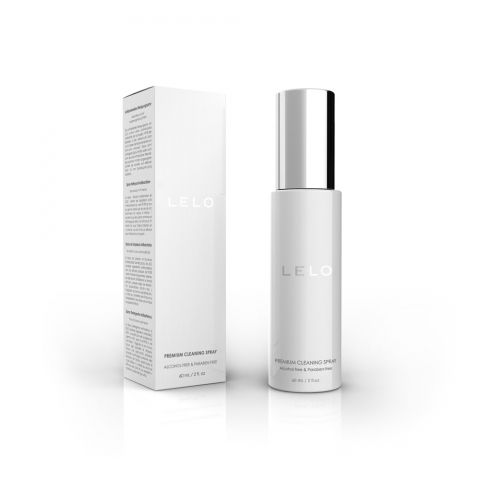
A dedicated cleaner is worth it for anything with a motor, seams or a suction chamber where soap is hard to rinse out. The Lelo Antibacterial Cleaning Spray at $9.75 is alcohol-free and pH-balanced, and Wicked Cleene Antibacterial Unscented at $11.99 is a fragrance-free option if you react to scented products.
TPE and TPR
Thermoplastic elastomers sit between silicone and the realistic materials. Quality phthalate-free TPR — the kind used in the Oxballs rings we compared here — cleans well with detergent and hot water, and some products explicitly permit dishwasher cleaning. Check the specific product; this varies more than any other material.
TPE takes silicone lubricant without harm, which is one of its genuine advantages over silicone.
UR3, cyberskin and realistic skin materials
These are the highest-maintenance materials, and the ones people most often ruin by treating them like silicone.
The routine is specific:
- Rinse in warm water with a mild unscented soap. No alcohol, no harsh cleaner.
- Pat dry — do not rub — and let it air-dry completely. Trapped moisture is what starts the degradation.
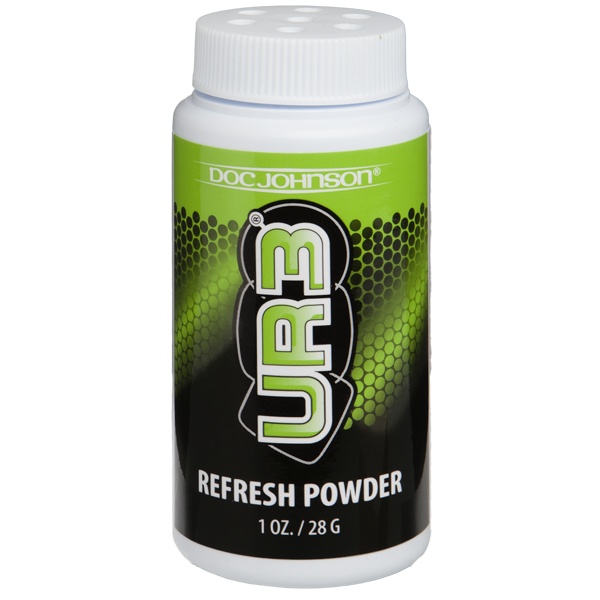
- Dust with renewal powder while dry. This is the step people skip. Without it the surface becomes tacky, then sticky, then starts breaking down.
UR3 Refresh Powder by Doc Johnson at $8.99 is the maintenance product made for this. Cornstarch is sometimes suggested as a substitute; we would not, because it is an organic material sitting on a porous surface.
Practical rule: UR3 and cyberskin are porous and cannot be sanitised. If a toy in one of these materials is shared, use a condom on it. That is the only reliable answer.
Glass and steel
The easiest of all. Both are non-porous, both take any lubricant, both can be sanitised properly with boiling water or a dishwasher, and neither has a meaningful lifespan limit.
The only real care issue is physical: inspect glass before every use for chips or cracks, and stop using it immediately if you find either. Store both away from harder objects that could knock them.
How should you store them?
Storage causes more material damage than cleaning does, and it gets almost no attention.
- Keep pieces separated. Different polymers react with each other on contact. A silicone toy left pressed against a TPE one can leave both permanently marked.
- Dry completely before storing. Sealing away anything damp is how you grow the problem you just cleaned off.
- Avoid heat and direct sunlight. Both accelerate polymer breakdown.
- Use individual bags or a compartmented case rather than a shared drawer. A storage case at $29.99 solves separation and dust in one.

- Store batteries removed or partially charged, not fully flat, for anything rechargeable you are putting away for months.
Why does material matter beyond hygiene?
There is a more uncomfortable dimension to material choice, and we would rather cover it than pretend cleaning is the whole story.
A 2023 study in *Microplastics and Nanoplastics*, Bringing sex toys out of the dark: exploring unmitigated risks by Sipe and colleagues, tested a set of products and reported two findings worth knowing. Phthalates — plasticisers associated with endocrine effects — were detected in the products sampled. And abrasion testing produced measurable micro- and nanoplastic release, with anal toys and beads releasing most and external vibrators least.
The honest framing: this was a small study, it does not establish a health outcome in people, and it does not mean any specific product you own is unsafe. What it does support is practical. Prefer non-porous materials where you have the choice. Do not use a toy that has become tacky, sticky or is visibly shedding surface. And treat replacement as normal maintenance rather than waste.
Buying rule: if you are choosing between an inexpensive porous toy and a slightly dearer silicone, glass or steel one you will keep for years, the second is usually the better purchase on every axis — hygiene, lifespan and material stability.
What we can't confirm
- We have not lab-tested any of our range. Material guidance here comes from manufacturer specifications and general polymer handling, not our own testing.
- "TPE" and "TPR" cover a wide range of formulations. Two products with the same material name can behave differently. Follow the specific product's instructions where they exist.
- Lifespans are not published for most of these materials. "Longest" and "shortest" in the table above are relative, not measured figures.
- The phthalate study is one small study. It sampled a limited set of products and did not measure health outcomes in people. We have described what it found, not extrapolated from it.
- Boiling and dishwasher guidance varies by product. Where a manufacturer says no, the manufacturer wins over this table.
When should you replace a toy?
Stop using and replace any toy that shows:
- A surface that has turned tacky, sticky or gummy and does not recover after cleaning
- Visible cracks, splits, tears or chips — in any material, but critically in glass
- Discolouration or a persistent smell that survives cleaning
- Any change in texture, softening or weeping of oils
- Damage to a seam or a charging port on an electronic item
None of these are salvageable. A degraded porous surface cannot be cleaned back to safe.
Common myths
"Antibacterial soap is the safest cleaner." In published testing of cleansing agents on silicone biofilm, ordinary antibacterial soap was among the *least* effective against established biofilm. Cleaning promptly beats cleaning harder.
"Boiling works for everything." It destroys electronics, damages TPE and ruins UR3. It is only appropriate for solid non-electronic silicone, glass and steel.
"Porous toys are fine if you clean them well." Cleaning reduces surface contamination. It does not sanitise a porous material. That is why a condom is the answer for sharing.
"Alcohol is a good sanitiser for toys." It dries and degrades most soft materials. Use a purpose-made cleaner or mild soap and water.
"If it still looks fine it is fine." Surface degradation in porous materials starts before it is visible. Texture change is the earlier signal.
Frequently asked questions
How do I clean UR3 or cyberskin?
Warm water and mild unscented soap, pat dry, air-dry fully, then dust with renewal powder. Skipping the powder is what makes the surface turn tacky.
What is UR3 refresh powder for?
It restores the dry, skin-like surface of UR3 and similar realistic materials after washing, and stops the material becoming sticky as it ages.
Can I boil a silicone toy?
Only if it contains no electronics or battery. Boiling any motorised item will destroy it.
Which materials can actually be sanitised?
Silicone, glass and steel — all non-porous. TPE and TPR only partly. UR3 and cyberskin cannot be sanitised, only cleaned.
Can I use silicone lube on a silicone toy?
No. They are the same polymer family and prolonged contact permanently degrades the surface. Use water-based.
Why can't toys be stored touching each other?
Different polymers react on contact and can leave permanent marks or soft spots. Store each piece separately.
How long should a toy last?
Glass and steel effectively indefinitely; silicone for years; TPE and UR3 considerably less. No manufacturer publishes a figure, so replace on condition rather than on a date.
Sources and further reading
- Bringing sex toys out of the dark: exploring unmitigated risks (Sipe et al., Microplastics and Nanoplastics, 2023)
- Efficacy of cleansing agents in killing microorganisms in mixed species biofilms on silicone
- Biofilm formation by Candida species on silicone surfaces and latex
- Microbial growth and adhesion of E. coli in elastomeric silicone foams
Related reading: our lube compatibility guide, the Oxballs material comparison, and what "waterproof" actually means for cleaning anything with a charging port.
About this guide
Written by the Gear Isle product team, West Sacramento, CA. Product availability and prices were verified against our catalogue on 14 August 2026 and are subject to change. Where a manufacturer publishes no figure — lifespan, in particular — we say so rather than estimate.
This article is for general information and is not medical advice. Consult a healthcare provider about irritation, unusual discharge, or any symptom that follows use of a product.


