
You have no items in your shopping cart.
A male genital desensitizer is a topical product applied to the penis before sex to reduce sensation. United States over-the-counter rules recognise two actives for this use: benzocaine at 3 to 7.5 percent, and lidocaine metered at roughly 10 mg per spray. The herbal balms sold on the same shelf contain neither, and they are a different thing.
Key takeaways
- Two actives are recognised for this use in the US. 21 CFR Part 348 lists benzocaine at 3 to 7.5 percent in a water-soluble base, and lidocaine in a metered spray at about 10 mg per spray.
- "7.5% benzocaine" and "10 mg per spray" are the regulatory ceilings, not a guarantee of what is in any particular bottle. Those two figures get copied onto listings constantly, including ours.
- Herbal products in the same category are not anaesthetics. Pau Yuen Tong's own literature states it is not a desensitizer. Ginseng-based sprays name no anaesthetic.
- The official label instruction says to wash the product off after intercourse. That line is part of the monograph, and most listings omit it.
- A topical anaesthetic transfers to a partner. Anything numbing your skin can numb theirs, which is the single most under-discussed point in this category.
- Benzocaine carries a documented methemoglobinemia risk. The FDA has logged more than 400 cases since 1971 across benzocaine products.
- We corrected three of our own listings while writing this. Details below, including what was wrong.
What's on this page
- What is a male genital desensitizer?
- Which active ingredients are allowed?
- Why do product listings disagree about ingredients?
- What about the products that are not anaesthetics?
- How do you use one safely?
- Who should avoid a topical anaesthetic?
- What we can't confirm
- When should you speak to a clinician?
- Common myths
- FAQ
- Sources
What is a male genital desensitizer?
"Male genital desensitizer" is not marketing language. It is the regulatory category name used in the United States for a topical drug product applied to the penis to slow the onset of ejaculation. You will see the exact phrase printed on cartons from Doc Johnson and others, because that is the wording the category carries.
Mechanically, these products are external analgesics. Benzocaine and lidocaine depress cutaneous sensory receptors — they reduce what the nerve endings in the skin report. They do not act on anything systemic, and they are not doing anything to your body beyond the skin they contact.
That mechanism is also the limitation. A product that reduces sensation reduces sensation generally, not selectively. It is worth being clear-eyed that reduced feeling is the mechanism, not a side effect of one.
Practical rule: if a product does not name an anaesthetic, do not assume it contains one. Half this category is herbal, and the two halves behave nothing alike.
Which active ingredients are allowed?
The over-the-counter monograph at 21 CFR Part 348, *External Analgesic Drug Products for Over-the-Counter Human Use*, is where the actual specifications live. For male genital desensitizers it recognises two:
| Active | Recognised specification | Official application wording |
|---|---|---|
| Benzocaine | 3 to 7.5 percent, in a water-soluble base | Apply a small amount to head and shaft of penis before intercourse, or use as directed by a doctor. Wash product off after intercourse. |
| Lidocaine | Metered spray, approximately 10 mg per spray | Apply 3 or more sprays, not to exceed 10, to head and shaft of penis before intercourse, or use as directed by a doctor. Wash product off after intercourse. |
Two things in that table are worth sitting with.
The first is the upper bound. Benzocaine is recognised across a range, 3 to 7.5 percent. A product at the bottom of that range and one at the top are both within the monograph, and they are not the same product. "Contains benzocaine" tells you less than people assume.
The second is the wash-off instruction, which appears in the official wording for both actives and is missing from most retail listings, including several of ours until recently. It exists because of transfer, which the next sections cover.
Buying rule: the strength matters more than the brand. If a carton does not print a percentage, you are buying an unknown within a recognised range.
Why do product listings disagree about ingredients?
Here is the part most guides will not tell you, and we can tell you because we found it in our own catalogue.
The two monograph figures — 7.5 percent benzocaine, and lidocaine at 10 mg per spray — are so widely quoted that they have detached from the products they describe. They get pasted into listings as though they were label transcriptions. They are not. They are the regulatory ceiling for the category.
While researching this article we checked three Doc Johnson delay products against photographs of their own packaging. All three had listings that contradicted the box:
- One was titled as containing 7.5% benzocaine, described in the body as containing 7.5% lidocaine, and carried a pasted panel reading lidocaine 10 mg per spray — three different answers for one product. The carton itself advertises ginseng and names no anaesthetic at all.
- A second carried a byte-for-byte copy of the first product's description, which meant a 2 oz tube of creme was described as a spray.
- A third contradicted itself inside a single paragraph, quoting benzocaine in the prose and lidocaine in the ingredient list.
We rewrote all three on 17 August 2026. The replacement copy states no anaesthetic percentage at all, because none of the three cartons photographs a legible Drug Facts panel, and publishing a figure we cannot read off the package would repeat the original error in a tidier font.
Practical rule: any ingredient percentage in a retail listing — ours included — is a claim to check against the carton, not a fact. If you have an anaesthetic allergy, this is not pedantry.
What about the products that are not anaesthetics?
A large share of this category contains no recognised anaesthetic and does not claim to. They sit in the same aisle and answer the same search, which is where the confusion starts.
Herbal balms and solutions
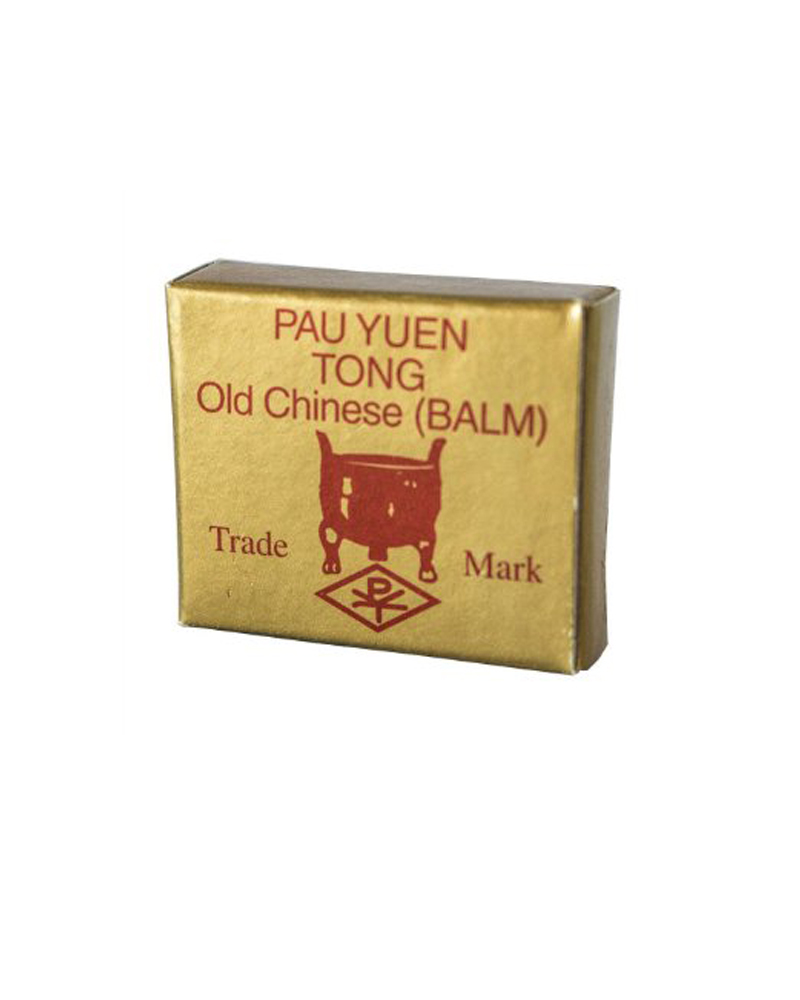
Pau Yuen Tong Old Chinese Balm is the clearest example. It arrives as a small gold box, roughly the footprint of a quarter, and its own literature is explicit that the product is not a desensitizer — the maker positions it as doing close to the opposite, sharpening sensitivity rather than dulling it. Whether you find that claim persuasive is a separate question from the factual one, which is that it is not an external analgesic and should not be compared to one. It sells for $18.35.
China Brush Chan's Kwang Tze Solution is a 1/8 fl oz bottle with an integral brush applicator, sold at $9.99. It is marketed as a desensitizer, but no anaesthetic percentage is published for it, so we do not print one.
Ginseng-based sprays
Doc Johnson's Prolonging with ginseng delay spray is a 2 fl oz spray whose front panel names ginseng and no anaesthetic. It is $10.29. This is the product whose listing previously claimed three different actives; the corrected listing now claims none.
Anaesthetic sprays
Stud 100 is the long-standing metered lidocaine spray in this category, at $14.99, and Ultra Maximum Delay Spray publishes benzocaine in its ingredient list at $10.95, alongside SDA ethyl alcohol and propylene glycol.
How do you use one safely?
The monograph wording above is the instruction set, and it is short enough to follow exactly. Apply to the head and shaft before intercourse. For a metered lidocaine spray, three or more sprays, not exceeding ten. Then wash the product off after intercourse.
Timing is the part people get wrong. These products need time on the skin, and the interval is printed on the carton rather than being universal — one of ours specifies 15 to 30 minutes, another says 5 to 15. Follow the box in front of you.
Transfer is the real consideration. A topical anaesthetic does not distinguish between the skin it was applied to and the skin it later touches. It can numb a partner through oral, vaginal or anal contact. The wash-off instruction exists substantially for this reason, and a condom is the other common answer.
Do not apply to broken or irritated skin. Keep it away from the eyes. Stop using it if a rash or irritation develops, which is also monograph label wording.
Practical rule: if your partner cannot feel much either, the product is working on the wrong person. Wash it off, or use a barrier.
Who should avoid a topical anaesthetic?
Benzocaine has a documented safety signal that has nothing to do with sexual products, and it is worth knowing before you buy.
The FDA has evaluated benzocaine-associated methemoglobinemia, a condition in which blood carries oxygen poorly. More than 400 cases have been reported to the agency's adverse event system or published in the literature since 1971 across benzocaine products generally. Signs can appear immediately or hours later, and include a bluish discoloration of the skin.
The agency identifies people at higher risk, including those with glucose-6-phosphate dehydrogenase (G6PD) deficiency, congenital or idiopathic methemoglobinemia, and cardiac or pulmonary compromise.
Separately, anyone who has ever reacted badly to a local anaesthetic — at the dentist, for instance — has a straightforward reason to avoid this whole sub-category and to look at the herbal side of the aisle instead. One of our own labels carries the manufacturer's warning against use if either partner is allergic to local anaesthetics, alongside cautions for pregnancy and for liver or kidney disorders.
What we can't confirm
- The anaesthetic strength of most products we sell in this category. Where the packaging photograph shows no legible Drug Facts panel, we publish no percentage. This applies to the three Doc Johnson items discussed above and to China Brush.
- The full ingredient list of the herbal products. Pau Yuen Tong and China Brush are described by their makers as herbal formulations, but neither publishes a complete quantified ingredient breakdown that we can cite.
- Onset and duration. Cartons state intervals; we have no independent measurement, and the figures differ between products.
- Condom material compatibility. Some formulations in this category are alcohol or oil-carried, and we have not verified compatibility claims product by product. If you are relying on a condom, check its packaging as well.
- How much transfers to a partner. That transfer occurs is well established. How much, under what conditions, is not something we can quantify.
When should you speak to a clinician?
Speak to a healthcare provider before using a topical anaesthetic if you have G6PD deficiency, a history of methemoglobinemia, a heart or lung condition, liver or kidney disease, or a known reaction to local anaesthetics. Speak to one if you are pregnant or your partner is.
Seek medical attention promptly for bluish discoloration of the skin or lips, shortness of breath, headache or unusual fatigue after using a benzocaine product, whether that appears straight away or some hours later.
It is also reasonable to speak to a clinician if timing during sex is a persistent concern rather than an occasional one. A topical product is a topical product; a conversation with a professional covers ground that a spray cannot.
This article is general information, not medical advice, and it is not a substitute for advice from a healthcare provider.
Common myths
"Delay spray and delay balm are the same category." They are not. One is an external analgesic with a recognised active; the other is a herbal preparation that names none.
"7.5% benzocaine is the standard strength." It is the top of the recognised range, not a standard. Products can sit anywhere from 3 percent upward.
"You don't need to wash it off." The official application wording for both recognised actives ends with washing the product off after intercourse.
"It only affects the person wearing it." A topical anaesthetic transfers on contact. That is the mechanism working as designed, on the wrong skin.
"Natural means no precautions." Herbal products can still irritate, and an unpublished ingredient list is a reason for more caution, not less.
Frequently asked questions
What is a male genital desensitizer?
It is the regulatory category name for a topical product applied to the penis before intercourse to reduce sensation. Benzocaine and lidocaine are the two actives recognised for this use in the United States.
How much benzocaine is in a delay product?
Anywhere from 3 to 7.5 percent under the recognised range. Individual products vary, so read the carton. Where packaging does not show a percentage, we do not publish one.
Does delay spray transfer to a partner?
Yes. A topical anaesthetic can numb skin it later contacts. The official label wording directs you to wash the product off after intercourse, and a condom is the other option.
Is Pau Yuen Tong a desensitizer?
No. Its own literature states it is not, and positions it as sharpening sensitivity rather than reducing it. It contains no anaesthetic that we can confirm.
Can I use a delay spray with a condom?
Usually, but check both packages. We have not verified material compatibility for every formulation, and some carriers in this category are alcohol-based.
How long before sex should it be applied?
Follow the carton. Intervals differ by product — ours range from about 5 minutes to about 30 — and there is no single figure that applies across the category.
Who should not use benzocaine?
People with G6PD deficiency, congenital or idiopathic methemoglobinemia, or cardiac or pulmonary compromise are at higher risk, and anyone with a known local anaesthetic reaction should avoid it. Ask a healthcare provider.
Sources and further reading
- 21 CFR Part 348 — External Analgesic Drug Products for Over-the-Counter Human Use, Subpart C Labeling
- FDA Letter Regarding Benzocaine
- FDA review — over-the-counter oral health care drug products containing benzocaine
- Methemoglobinemia: A Life-threatening Complication of Topical Pharyngeal Anesthetics
Related reading: our lube compatibility guide. Browse the delay products category for current stock.
About this guide
Written by the Gear Isle product team, West Sacramento, CA. Regulatory specifications are taken from the published over-the-counter monograph and the FDA sources listed above. Product details were read off packaging photographs and verified against our catalogue on 17 August 2026.
Where a package does not show a fact, we do not print it. Three listings named in this article were corrected on the day of publication after their copy was found to contradict their own packaging, and we have described what was wrong rather than quietly fixing it.
This article is for general information and is not medical advice. Consult a healthcare provider before using a topical anaesthetic if you have any of the conditions named above.


